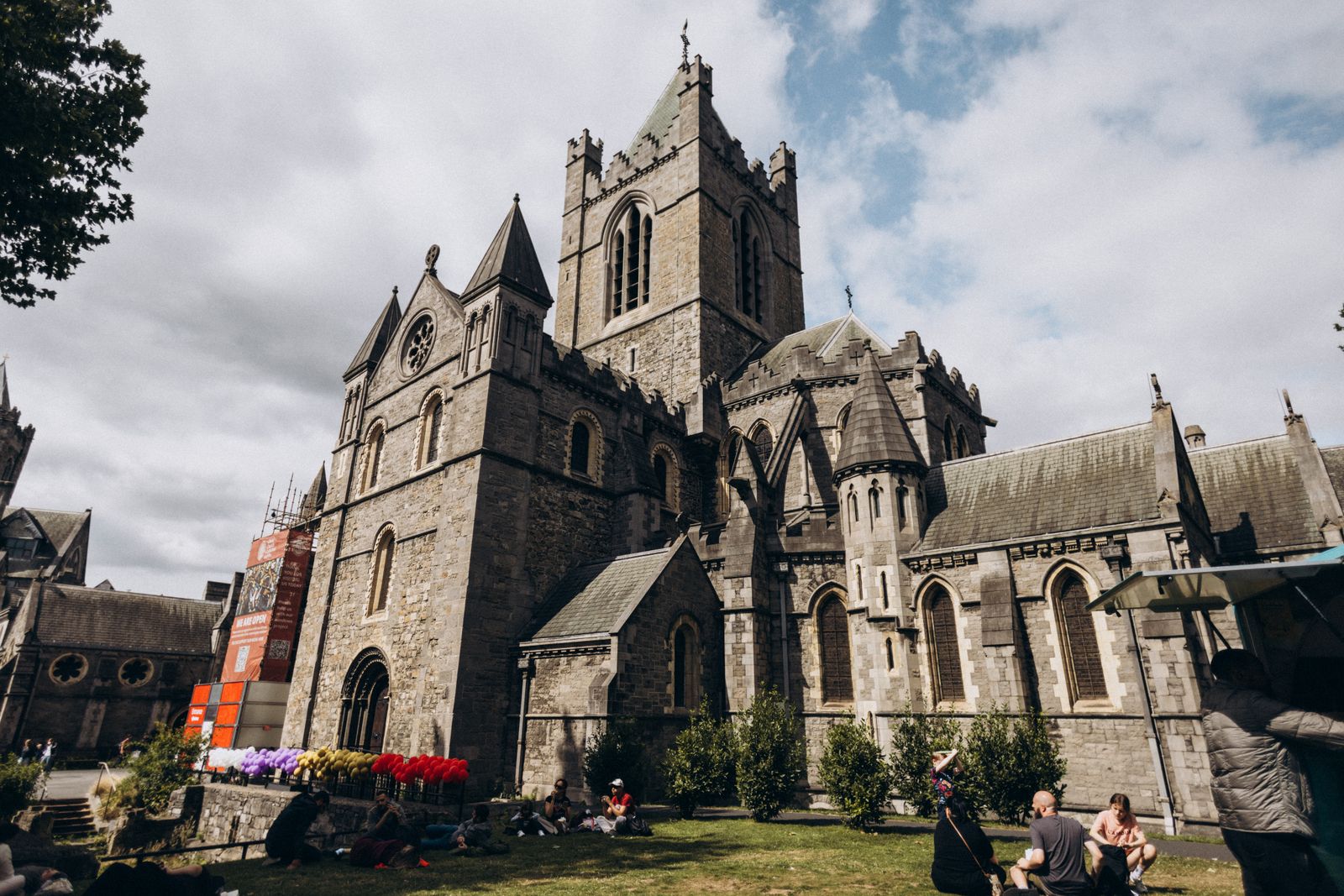
The short answer
Discover the surviving city walls
Surviving outdoor wall sections, archaeological remains and the line of later streets help reveal the shape of Dublin’s medieval defences. Cook Street is one of the clearest places to begin reading the wall above ground.
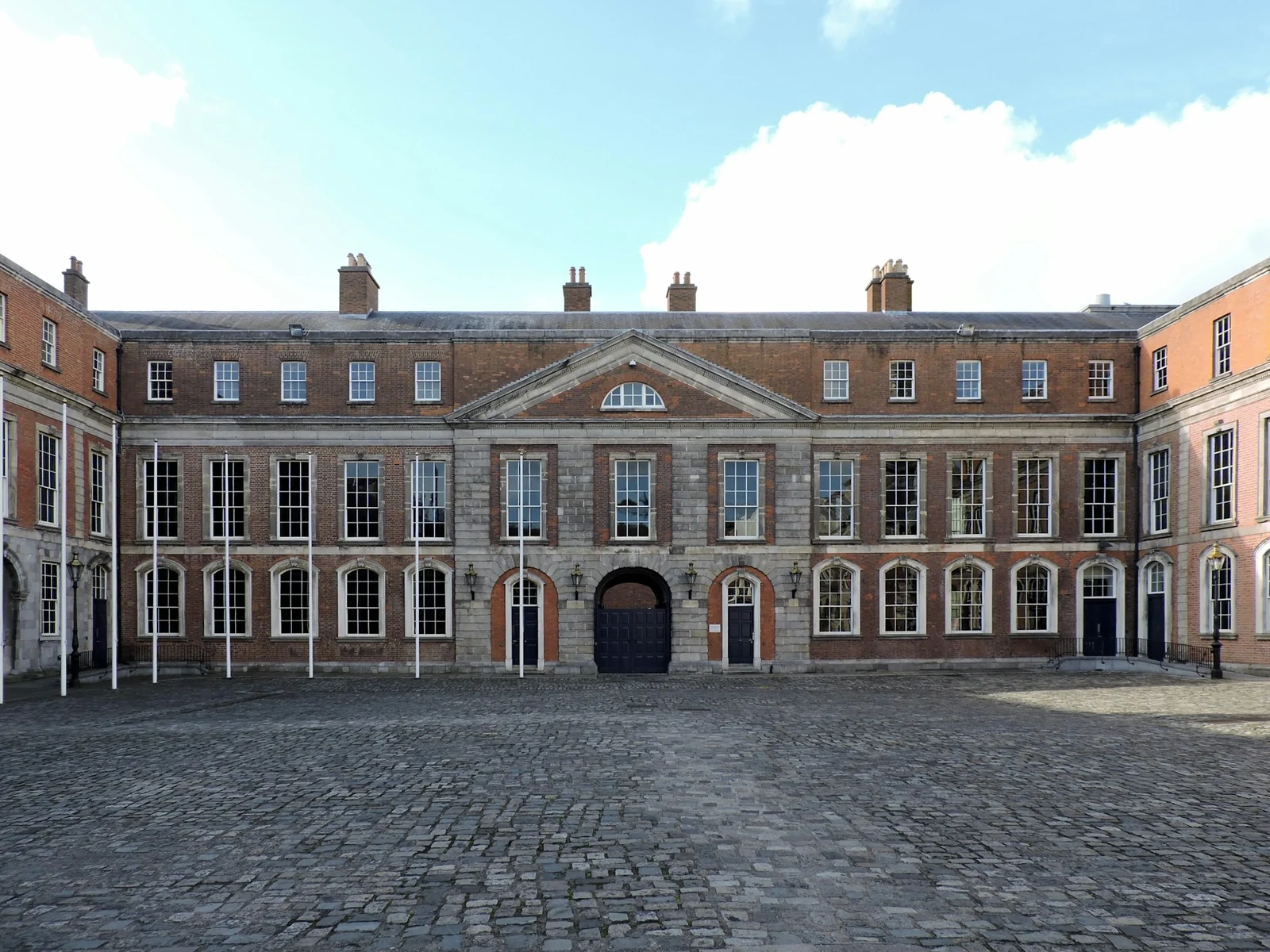
Streets remember older boundaries
Look closely and the modern streets reveal the shape of the older city. Slopes, narrow lanes and changes in street direction reflect gates, defensive edges, markets and routes to the river. A guided walk connects the surviving remains and helps you recognise the different periods represented in the buildings around you.
Churches and civic sites
Christ Church Cathedral, St Audoen’s and the Dublin Castle area anchor the story, but admission, opening hours and access arrangements belong to each site. The streets and building exteriors offer a rewarding way to explore the story throughout your walk.
- Look for wall masonry and changes in ground level
- Distinguish surviving fabric from later reconstruction
- Allow time for cobbles and slopes
- Check each attraction’s official site before visiting
Sources and further checking
Official information can change. Check these sources close to your visit.