Plan with real information
Accessibility & Tour Suitability
Tell us what makes a walk comfortable for you. We'll explain the route's surfaces, steps, seating opportunities and possible adjustments before you book.
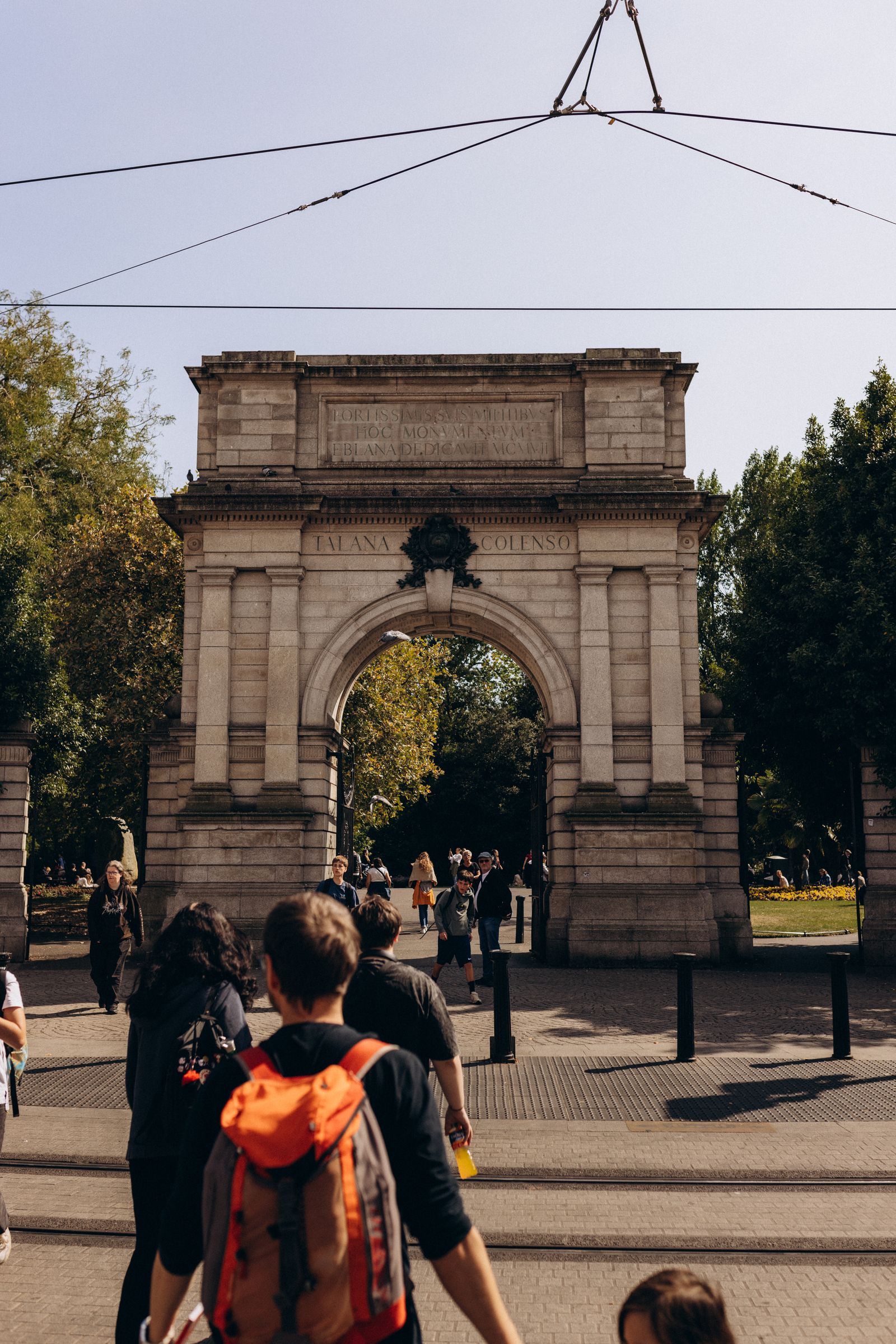
Questions that help us assess a route
- Maximum comfortable walking distance
- Need for regular seating
- Steps or kerbs that must be avoided
- Wheelchair or mobility-aid dimensions
- Need for an accessible toilet
- Hearing, vision or communication needs
- Preferred pace and rest time
- Transport or vehicle constraints
Surfaces
Central Dublin can include cobbles, uneven paving, kerbs, slopes and roadworks.
Crossings
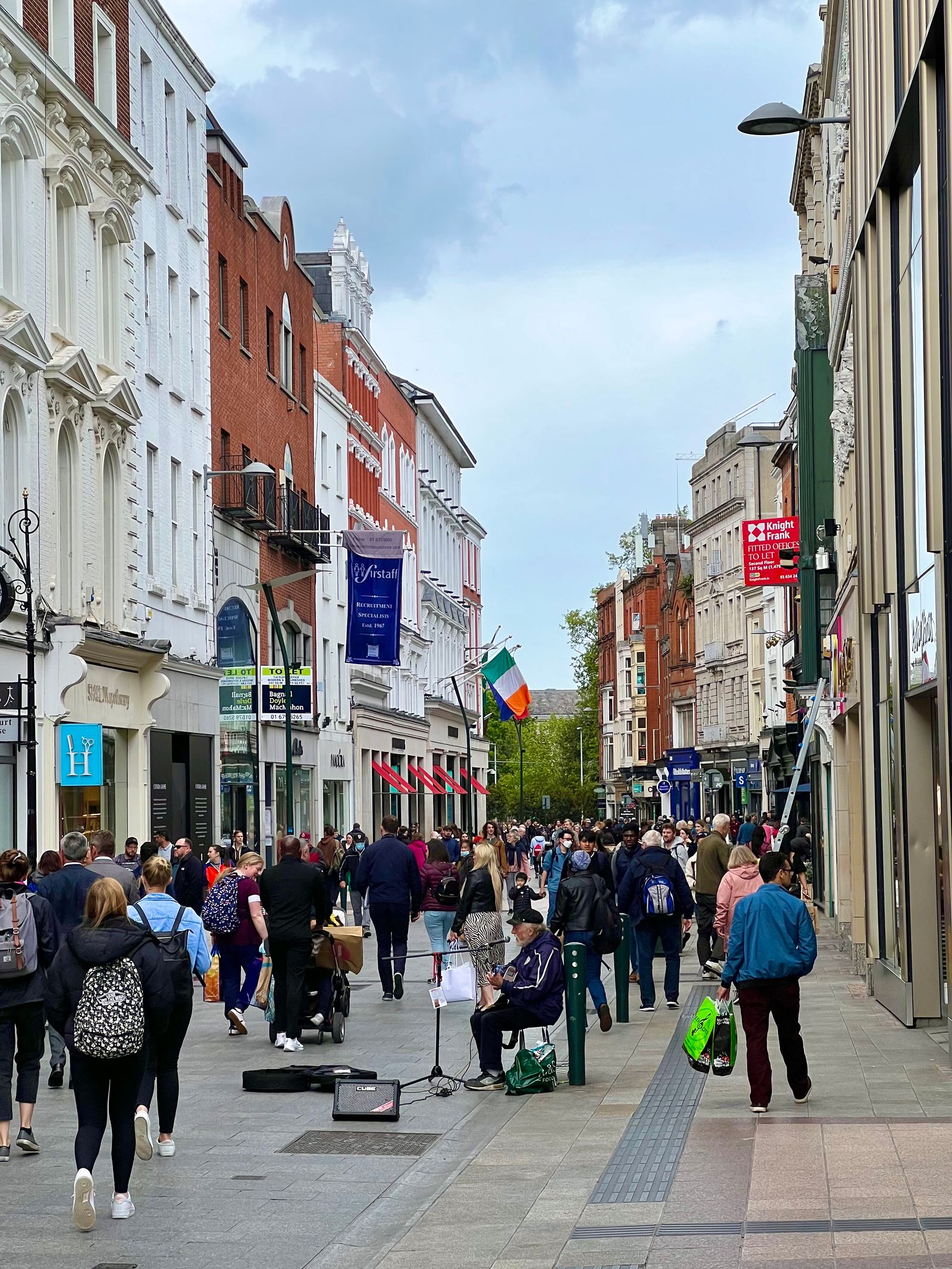
Busy junctions and groups can add time even on a short route.
Interiors
Each attraction controls its own access, lifts, toilets and opening hours.
Weather
Choose clothing and a walking plan that suit the forecast, whether the day brings sunshine, wind or rain.
What Dublin Walking can do
For private enquiries, Dublin Walking can discuss a shorter route, more frequent pauses, a different meeting point or the use of transport between compact walking sections. We confirm the route after discussing the practical details that matter to your group.
Planning around your visit
Street conditions and venue facilities can change with roadworks, crowds, public events and lift maintenance. We can discuss these practical details when planning your walk. If a particular facility is essential, confirm its availability directly with the venue close to your visit.
Website accessibility
This version uses semantic headings, keyboard-operable navigation, visible focus states, labelled forms, reduced-motion support, sufficient contrast and a skip link. If you find a barrier, email info@dublinwalking.com and include the page and task.
For a practical city guide, read Accessible and Lower-Mobility Ways to Explore Dublin.
Last reviewed: 21 July 2026.