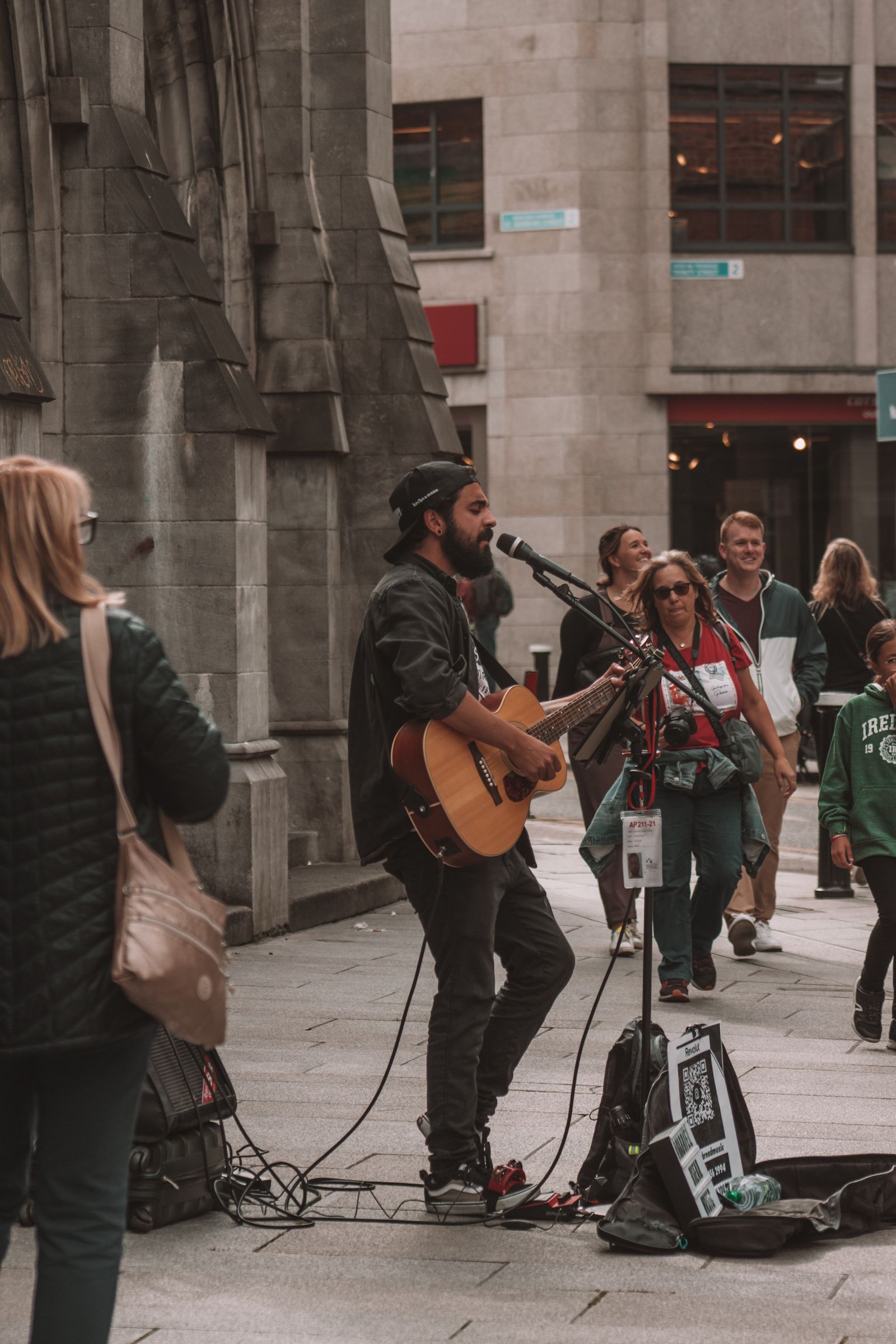
The short answer
Music lives in changing places
Discover both celebrated venues and the sites of earlier musical meeting places, tracing how Dublin’s music scene has evolved. A landmark can matter because of who played there, what audiences heard or how music moved between homes, streets, theatres and pubs.
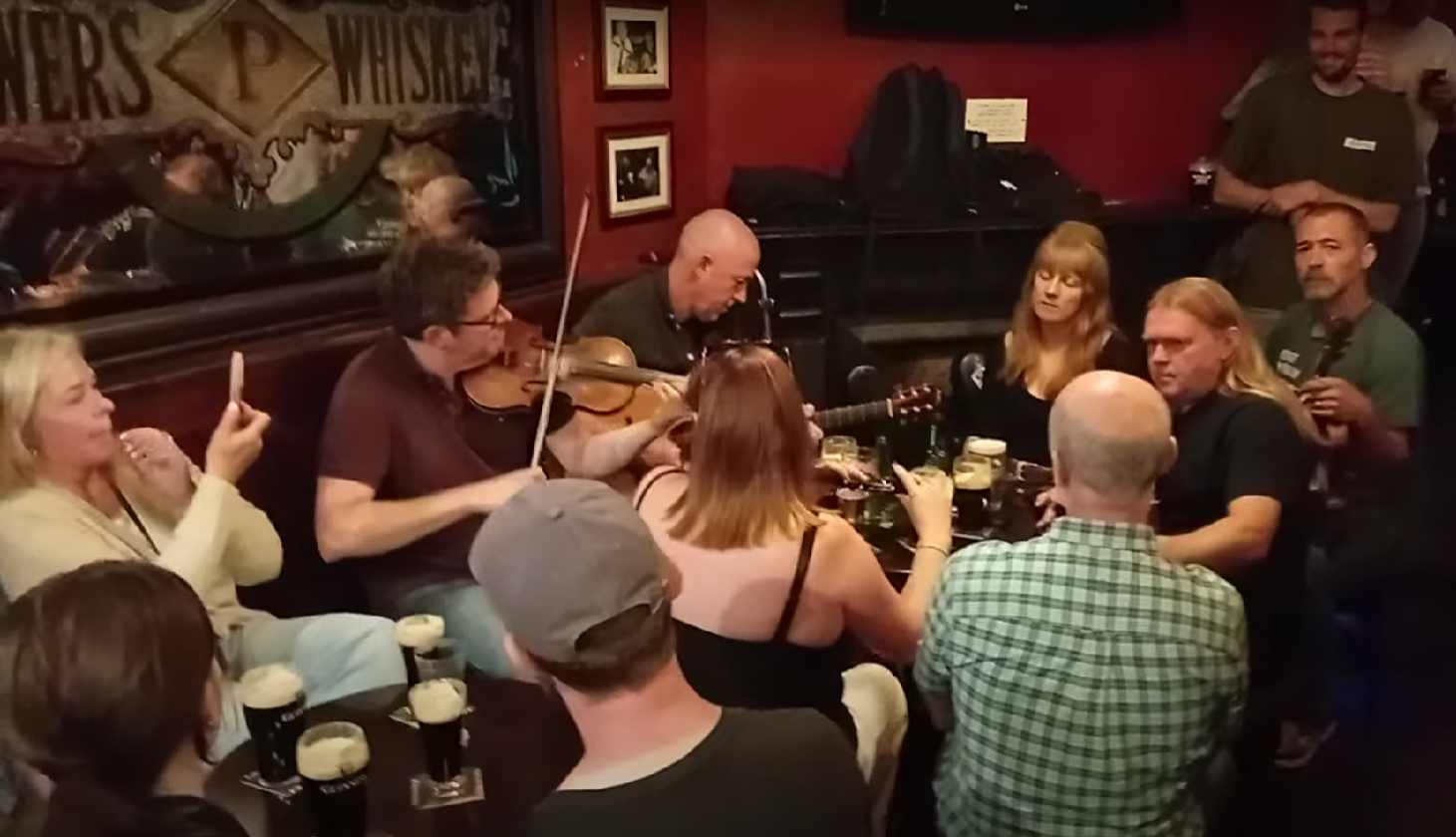
Hear the stories behind the ballads
Songs preserve emotion and popular memory, bringing a distinctive voice to history. Exploring the dates, characters and creative choices behind a ballad connects the song with the events and audiences that kept it alive.
Plan around what you enjoy
A rock-focused walk, a traditional-music route and a political-ballad route use different landmarks. Decide whether you want history, a live performance or both. Venue programmes change, so check official listings before promising an evening stop.
- Check venue schedules directly
- Confirm session times with the venue
- Respect performers and working pubs
- Plan a live-music visit separately from your outdoor history walk
Sources and further checking
Official information can change. Check these sources close to your visit.