The short answer
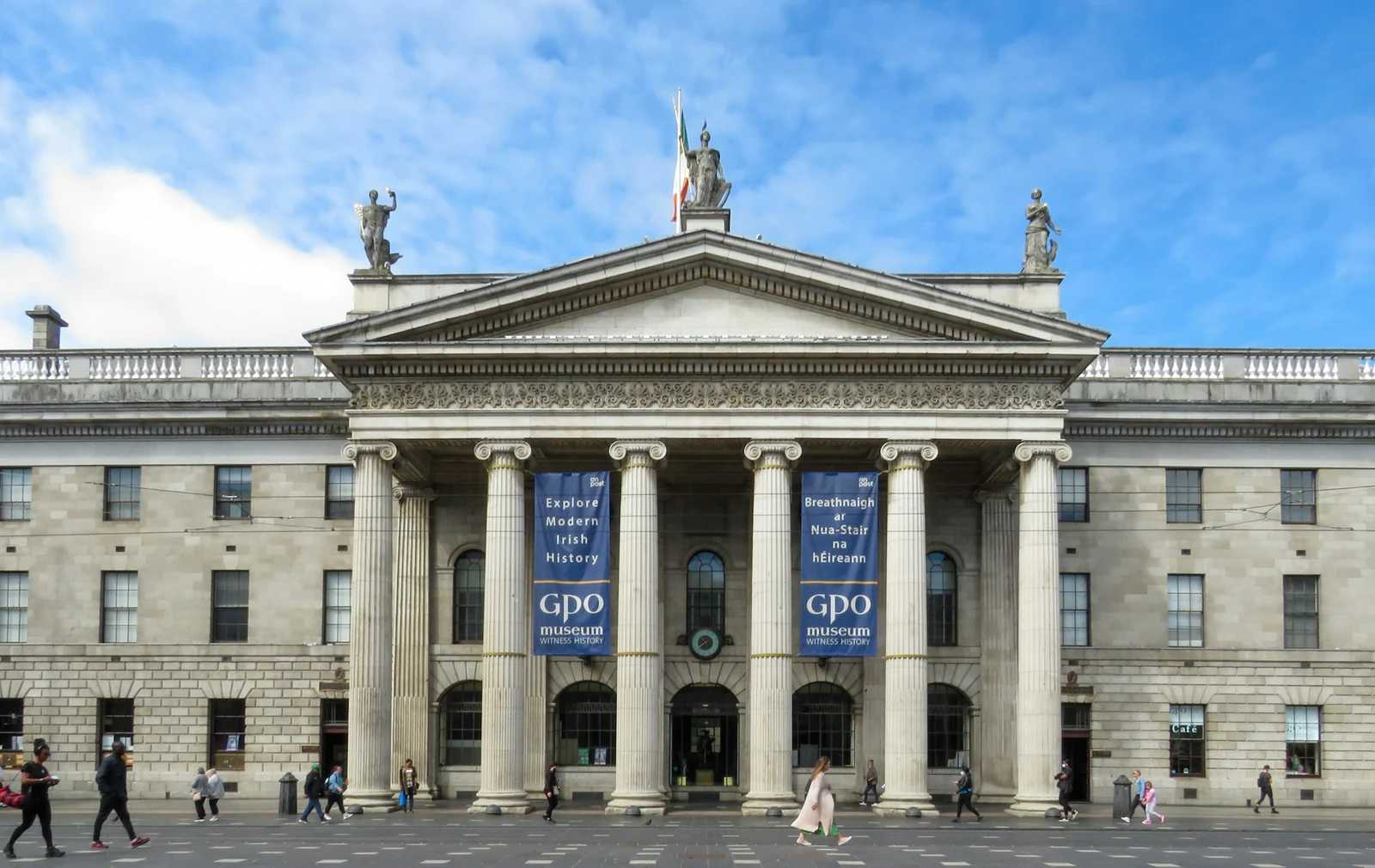
The GPO and O’Connell Street
The General Post Office served as the headquarters of the provisional government. Its location on Sackville Street, now O’Connell Street, made it highly visible, but the garrison eventually evacuated as fire and bombardment made the position untenable.
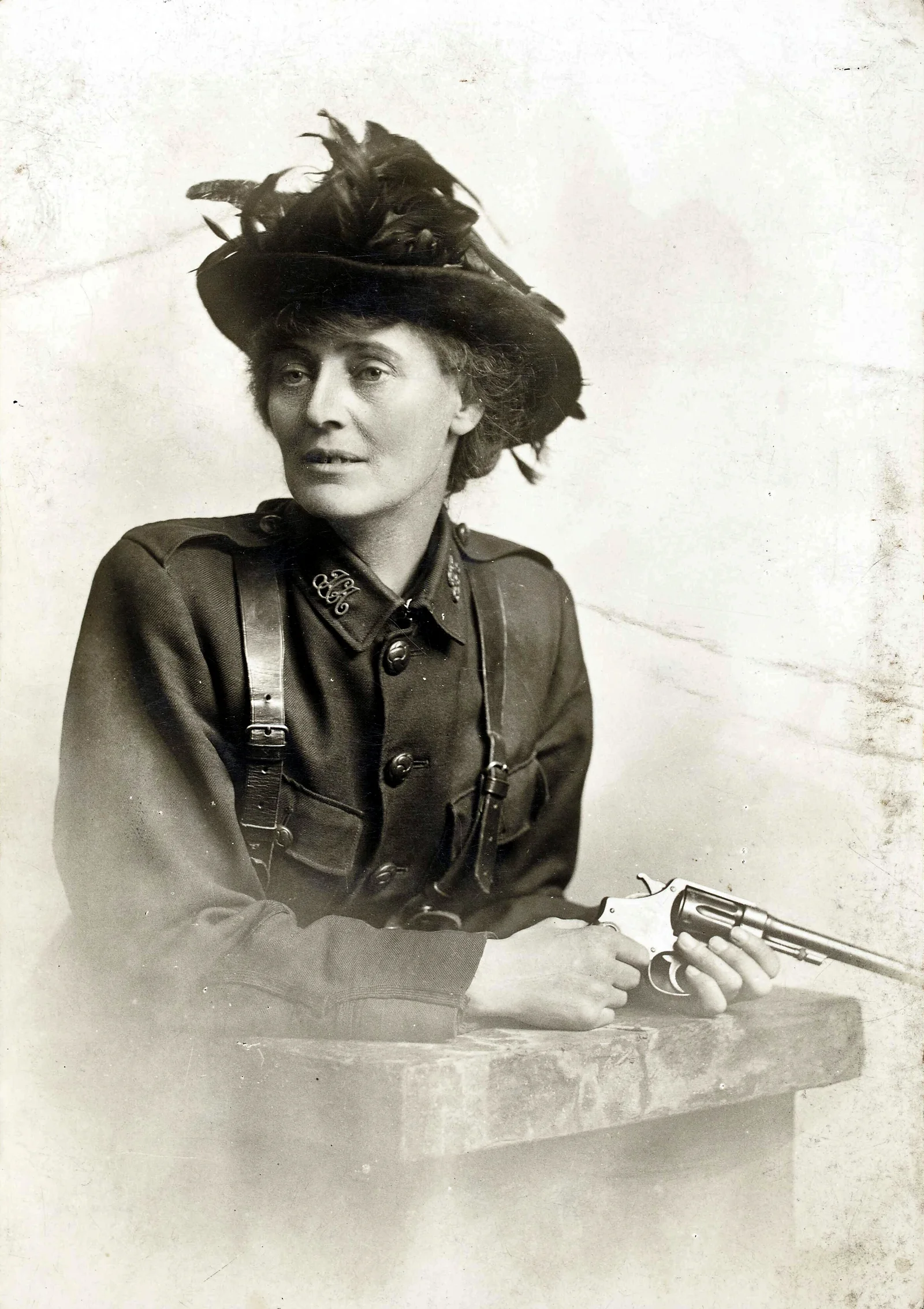
Moore Street and the surrender
After leaving the GPO, members of the headquarters garrison moved through nearby buildings towards Moore Street. The area is essential for understanding the final phase and the decision to surrender, and connects the GPO with the wider story.
A network of positions
Other garrisons attempted to control approaches and strategic buildings. The fighting affected civilians, commercial streets and residential areas. Exploring each position helps connect the events with the people and neighbourhoods involved.
- Connect the different command positions across the city
- Remember the large civilian impact
- Use contemporary witness material where possible
- Check museum hours before planning interiors
Sources and further checking
Official information can change. Check these sources close to your visit.